
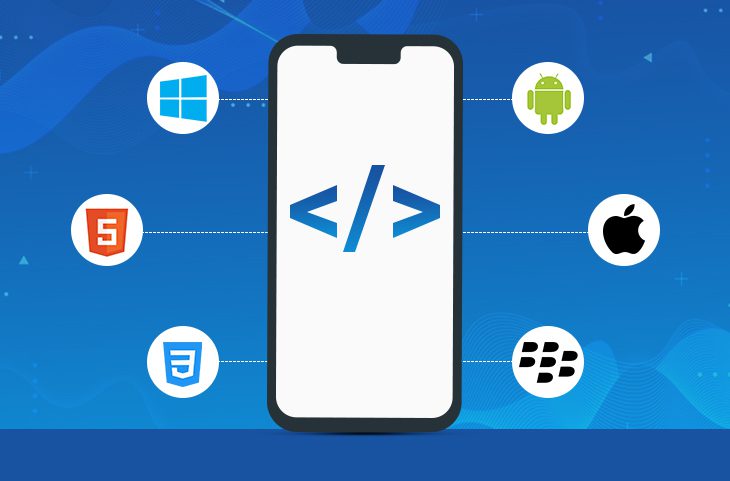
Cross-platform app development gets sold as a shortcut.
Build once.
Ship everywhere.
Save money.
Move faster.
That pitch works really well in slide decks.
In the real world, cross-platform development is neither magic nor a compromise. It’s a trade-off discipline. When done well, it gives you leverage. When done badly, it gives you a product that feels slightly off everywhere and never quite stable.
If you’ve ever shipped an app that looked fine in demos but cracked under real users, you already know what I’m talking about.
This piece is for teams who want to get cross-platform right, not just “working”.
Why Cross-Platform Isn’t a Trend Anymore
A few years ago, cross-platform was treated like a cost-cutting move. Something startups did until they could “afford” native teams.
That thinking is outdated.
Today, many well-funded companies start cross-platform on purpose. Not because it’s cheaper, but because it’s strategically simpler.
One roadmap.
One release cycle.
One shared understanding of the product.
That clarity compounds.
The apps that succeed aren’t the ones written in the “best” language. They’re the ones that ship consistently, fix issues quickly, and don’t fracture their teams across platforms.
This is why more companies quietly choose to hire app developer India teams that specialise in cross-platform delivery. Not for shortcuts. For sustainability.
The First Mistake Teams Make: Treating Platforms as Identical
Android and iOS are not twins. They’re cousins.
They share some habits.
They disagree on others.
And they react very differently under stress.
Cross-platform doesn’t mean ignoring those differences. It means designing around them.
The teams that struggle usually do one of two things:
- They force identical behaviour everywhere
- Or they panic and over-customise everything
Both approaches fail.
The sweet spot is understanding where sameness matters and where divergence is necessary.
That judgement only comes with experience.
Cross-Platform Success Starts Before Code
Here’s an uncomfortable truth.
Most cross-platform failures have nothing to do with technology.
They start with unclear product thinking.
If you don’t know:
- Who your primary user is
- What problem you’re solving first
- Which features actually matter
No framework will save you.
Cross-platform amplifies both good and bad decisions. If your product thinking is weak, you’ll just reach the wrong destination faster.
This is why teams that hire dedicated app developer groups instead of random freelancers usually do better. Good developers ask uncomfortable questions early. Bad ones just start coding.
Performance Is Not an Accident
People love to say “cross-platform is slow”.
That’s lazy thinking.
Slow apps are slow because performance was treated as an afterthought.
Cross-platform apps need performance decisions early:
- How much logic runs on the UI thread
- How data is cached
- How lists are rendered
- How animations are handled
Ignore those things, and your app will feel heavy. Respect them, and users won’t care how it was built.
The best cross-platform apps don’t chase benchmarks. They chase perceived speed.
The Quiet Importance of Architecture
Most people don’t get excited about architecture. They should.
Architecture decides whether your app:
- Improves over time
- Or becomes fragile with every release
Good cross-platform architecture keeps business logic boring and predictable. UI layers can change. APIs can evolve. Platforms can update.
Bad architecture ties everything together so tightly that one small change causes three new bugs.
This is where experienced teams stand out. It’s also where many businesses benefit when they hire remote app developer India teams that have seen multiple apps age, not just launch.
Design That Feels Natural Without Being Duplicated
Users don’t want “the same app everywhere”.
They want the app to behave the way their phone expects.
That means:
- Android users expect certain navigation patterns
- iOS users notice gesture differences instantly
Cross-platform doesn’t remove this responsibility. It forces you to be intentional about it.
The best teams build shared design systems that adapt slightly per platform. Same intent. Different expression.
That’s not extra work. It’s respectful design.
Testing Is Where Cross-Platform Lives or Dies
This is where most teams cut corners.
And it always comes back to bite them.
Cross-platform apps don’t fail because of big obvious bugs. They fail because of:
- Edge cases
- OS updates
- Rare device combinations
- Background behaviour differences
Testing needs to happen at multiple levels:
- Shared logic
- Platform UI
- Real device behaviour
Skipping this doesn’t save time. It just delays pain.
Scaling Changes Everything
Your app feels fine with 500 users.
Then you hit 10,000.
Then 100,000.
Then a feature goes viral.
Cross-platform apps must be built assuming success, not hoping for it.
Scaling introduces:
- Memory pressure
- Network strain
- Backend bottlenecks
- Release coordination issues
Teams that planned for scale survive it. Teams that didn’t scramble.
This is where long-term collaboration matters. Companies that hire software developer India teams for ongoing development often handle scale better than those rotating short-term contractors.
Security Isn’t Optional Just Because It’s Shared Code
A shared codebase doesn’t mean shared risk.
Each platform has its own security expectations, permission models, and vulnerabilities.
Cross-platform teams must understand:
- Secure storage differences
- Authentication flows
- OS-level protections
Security shortcuts don’t show up immediately. They surface when trust is already broken.
Cost: Where Cross-Platform Actually Saves Money
Cross-platform doesn’t save money at launch. It saves money over time.
The real savings come from:
- One feature set to maintain
- One team to coordinate
- One technical direction
The cost mistake is assuming cross-platform means “cheap”.
It doesn’t. It means efficient.
This is why businesses looking for long-term value choose to hire app developer India teams with proven cross-platform experience instead of chasing the lowest bid.
When Cross-Platform Is the Wrong Call
Let’s be honest.
Cross-platform is not the answer to everything.
If your app:
- Depends heavily on hardware-level features
- Requires extreme graphics performance
- Is deeply platform-specific by nature
Native may still be the right choice.
Good teams don’t force cross-platform. They evaluate it.
The People Matter More Than the Stack
Frameworks change.
People stay.
The success of a cross-platform app depends on:
- How developers think
- How they communicate
- How they handle trade-offs
This is why more global companies work with HireDeveloperIndia to find developers who understand products, not just tools.
You don’t need more code.
You need better judgment.
Final Thought
Cross-platform app development isn’t about shortcuts.
It’s about discipline.
It rewards teams who plan, test, listen, and adapt. It punishes teams who rush, copy patterns blindly, or treat it as “just another build”.
When done right, cross-platform gives you leverage that compounds year after year.
When done wrong, it gives you technical debt disguised as speed.
Choose carefully.
FAQs
Is cross-platform app development reliable for long-term products?
Yes, if it’s architected properly and maintained by an experienced team.
Does cross-platform reduce app quality?
No. Poor decisions reduce app quality. Cross-platform just exposes them faster.
Why do companies hire developers from India for cross-platform apps?
Because India offers experienced talent, long-term team stability, and cost structures that support ongoing development.
Is it better to hire freelancers or a dedicated team?
Dedicated teams almost always deliver better outcomes for complex, long-term apps.
How does HireDeveloperIndia fit into cross-platform development?
HireDeveloperIndia helps businesses connect with vetted developers in India who can build, scale, and support cross-platform apps without hiring friction.