People ask this question at the wrong time.
Usually, it comes after money is spent. After a prototype exists. After a team has already built something that doesn’t quite fit how users behave.
Web app or mobile app?
It sounds simple. It isn’t.
The wrong choice here doesn’t just slow things down. It quietly bleeds budget, stretches timelines, and forces painful rebuilds later. I’ve seen it happen too many times. A product that should’ve lived on the web gets squeezed into a mobile app. Or a mobile-first idea gets trapped inside a browser experience that users abandon after one visit.
So let’s slow this down. Strip away buzzwords. No fluff.
This guide explains the real difference between web apps and mobile apps, how users actually treat them, how businesses should think about them, and how to choose the right path without burning time or cash.
First, Let’s Clear the Confusion
People mix these terms all the time.
A website is not a web app.
A mobile app is not just a “smaller website.”
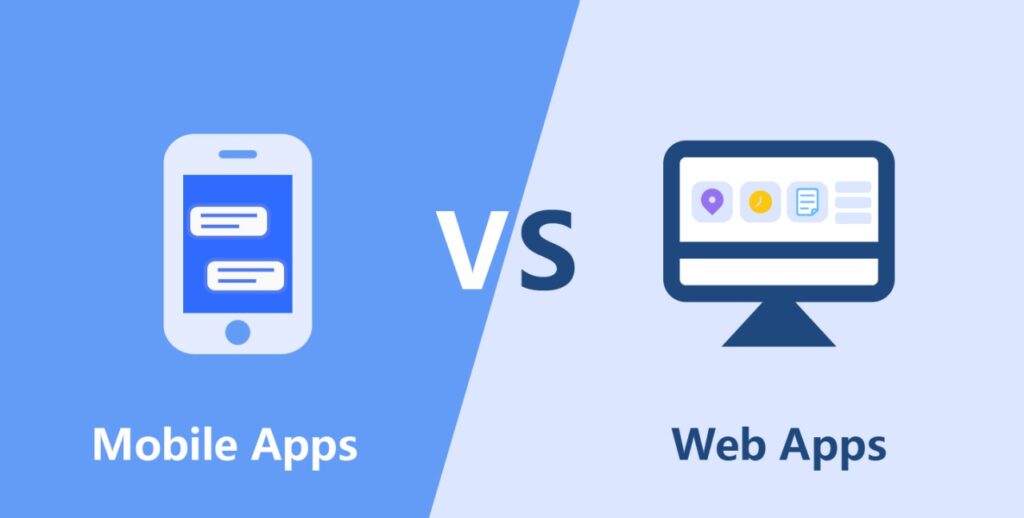
A web app is interactive software accessed through a browser.
A mobile app is software installed directly on a phone or tablet.
That difference sounds obvious. The implications aren’t.
What Is a Web App, Really?
A web app runs in a browser. Chrome, Safari, Edge. Pick your poison.
But don’t picture static pages. Modern web apps are closer to full products than traditional websites ever were.
Think dashboards. Admin panels. Booking systems. CRMs. SaaS platforms. Internal tools. Marketplaces.
A web app typically offers:
- Login-based access
- Real-time data updates
- Forms, workflows, dashboards
- API integrations
- Role-based permissions
Users don’t “browse” web apps. They work inside them.
And here’s the big thing: web apps are platform-agnostic. One build. Works everywhere.
That’s why many companies choose to hire web app developers in India when speed and reach matter more than device-specific features.
What Is a Mobile App? Then?
A mobile app is installed. Lives on the device. Has a permanent seat on the home screen.
This changes user psychology completely.
Mobile apps are personal. Immediate. Habit-driven.
They excel at:
- Push notifications
- Offline access
- Camera, GPS, sensors
- Biometric authentication
- Faster interactions
People don’t casually install apps. They commit. And once installed, the app becomes part of daily behaviour.
That’s why businesses that depend on frequent engagement often hire mobile app developers in India to build iOS and Android apps that feel native, fast, and familiar.
Web App vs Mobile App: The Core Differences That Actually Matter
Let’s cut through surface-level comparisons.
1. User Intent Is Different
Web apps are task-driven.
Mobile apps are habit-driven.
People open web apps to do something specific. Generate reports. Manage orders. Analyse data. Finish work.
People open mobile apps to check, scroll, react, repeat. Messages. Updates. Tracking. Quick actions.
This single difference drives everything else.
2. Accessibility vs Presence
A web app is always one link away. No install. No friction.
A mobile app demands commitment. Storage space. Permissions. Updates.
That’s why web apps work better for:
- B2B platforms
- Enterprise software
- Admin systems
- Early-stage products
Mobile apps shine when:
- Engagement frequency is high
- Speed matters
- Device features are essential
3. Development Complexity
Web apps are faster to launch. Period.
One codebase. One deployment. No app store approvals. Instant updates.
Mobile apps involve:
- Separate iOS and Android builds
- App store reviews
- Version fragmentation
- Device-specific testing
That’s why many founders initially hire dedicated web developers in India to validate ideas before investing in mobile builds.
4. Maintenance and Updates
Web app update? Push to server. Done.
Mobile app update? Submit. Wait. Hope users install it.
That delay alone has killed more than a few feature rollouts.
5. Performance and Device Access
Mobile apps win here. No debate.
If your product needs:
- Camera access
- Location tracking
- Offline mode
- Bluetooth, sensors, biometrics
A mobile app isn’t optional. It’s required.
Web apps can mimic some of this. Not all. And never as smoothly.
Cost Comparison (Without Sugarcoating)
Let’s be honest.
Web apps are usually cheaper to build and maintain.
Mobile apps usually cost more upfront and over time.
But cheaper doesn’t mean smarter.
The real cost question is this:
Will users actually use this the way we expect?
A cheap product nobody uses is expensive.
That’s why businesses often hire remote developers in India who can advise on architecture before writing a single line of code.
When a Web App Is the Right Choice
A web app makes sense when:
- Your users sit at desks
- Your product is workflow-heavy
- You need fast iterations
- You’re validating an idea
- Internal teams are the primary users
Examples include:
- SaaS dashboards
- CRM systems
- HR platforms
- Analytics tools
- Admin panels
In these cases, hiring experienced teams to hire web app developers in India gives you reach, speed, and flexibility without unnecessary overhead.
When a Mobile App Is the Right Choice
A mobile app makes sense when:
- Users interact daily
- Notifications drive value
- Location or sensors matter
- Speed and offline access are critical
Think:
- Fitness apps
- Delivery platforms
- Fintech wallets
- Social apps
- Health tracking
This is where companies choose to hire mobile app developers in India who understand native performance, UX patterns, and platform rules.
The Hybrid Reality Most Businesses End Up With
Here’s the truth no one says early enough.
Most successful products don’t choose one forever.
They start with a web app.
They add a mobile app later.
Why?
Because web apps validate demand. Mobile apps deepen engagement.
That’s why many companies eventually hire dedicated web & app developers in India to build and maintain both under one strategy instead of juggling vendors.
Web App vs Mobile App for Startups
If you’re early-stage, here’s blunt advice.
Start with a web app unless:
- Your idea dies without mobile features
- Push notifications are core
- Location or camera is essential
Otherwise, web first. Learn. Adjust. Then go mobile.
I’ve watched startups burn months building mobile apps nobody used, when a simple web app would’ve answered the same questions in weeks.
Web App vs Mobile App for Enterprises
Enterprises think differently.
They care about:
- Security
- Scalability
- Access control
- System integrations
Web apps dominate here.
But mobile apps increasingly support field teams, customers, and on-the-go decision-makers.
This is where enterprises often hire app developers in India who can work across frontend, backend, and mobile without silos.
Technology Stack Differences (Brief, Not Boring)
Web apps typically involve:
- Frontend frameworks
- Backend services
- Databases
- APIs
- Cloud infrastructure
Mobile apps add:
- Native SDKs
- Platform-specific UI rules
- Device testing
- App store compliance
The tech matters less than how it’s used together.
That’s why companies prefer to hire app developer teams from India who think in systems, not just tools.
Security Considerations You Can’t Ignore
Web apps face:
- Browser vulnerabilities
- Session hijacking
- API exposure
Mobile apps face:
- Device theft
- Local storage risks
- Reverse engineering
Both need serious security planning.
This isn’t the place to cut corners or hire the cheapest option.
Choosing the Right Development Partner
Whether web or mobile, the bigger mistake isn’t choosing the wrong platform.
It’s choosing the wrong people.
Look for teams that:
- Ask uncomfortable questions
- Push back on bad ideas
- Understand business goals
- Have shipped real products
That’s why global companies continue to hire remote developer teams in India who’ve built for different markets, devices, and user behaviours.
Web App vs Mobile App: The Decision Framework
Ask yourself:
- How often will users engage?
- Where will they use it?
- What device features are required?
- How fast do we need to iterate?
- What’s our real budget tolerance?
Answer honestly. The right choice becomes obvious.
Final Thoughts (No Hype)
This isn’t about trends.
It’s about fit.
Web apps and mobile apps solve different problems. Sometimes overlapping. Often not.
The smartest companies don’t ask, “Which is better?”
They ask, “Which matches how our users actually behave?”
Get that right, and everything else gets easier.
FAQs
What is the main difference between a web app and a mobile app?
A web app runs in a browser and is accessible across devices, while a mobile app is installed on a device and offers deeper integration with hardware features.
Is a web app cheaper than a mobile app?
Generally, yes. Web apps usually cost less to build and maintain, but the right choice depends on user behaviour and product goals.
Can one developer build both web and mobile apps?
Yes, especially full-stack developers. Many businesses hire dedicated developers in India who work across both platforms.
Should startups build a web app or mobile app first?
Most startups benefit from starting with a web app unless mobile features are essential from day one.
Is it better to hire web and mobile developers separately?
Not always. Many companies hire dedicated web & app developers India teams to reduce coordination issues.
Why do companies hire app developers in India?
Because of strong technical expertise, global experience, cost efficiency, and the ability to scale teams quickly.