Here’s something people don’t like admitting out loud.
Most web projects don’t crash because the idea was weak.
The ideas are usually fine. Sometimes even great.
They collapse because halfway through, execution goes sideways.
You’ve seen it. We’ve seen it. Maybe you’re in it right now.
The interface looks slick in screenshots but crawls in real life.
The backend technically “works”, but ask it to handle real traffic and it starts wheezing.
APIs get bolted together by teams that never once sat in the same meeting.
Deadlines drift. Budgets balloon. Eventually someone mutters, “Must be the tech stack.”
It rarely is.
At HireDeveloperIndia, we run into this story all the time. Companies come to us not at the start, but after the mess. One agency handled UI. Another built the backend. A freelancer patched bugs at odd hours. Ownership? None. Accountability? Foggy at best.
So they ask a different question the second time around.
“Who actually understands the whole thing?”
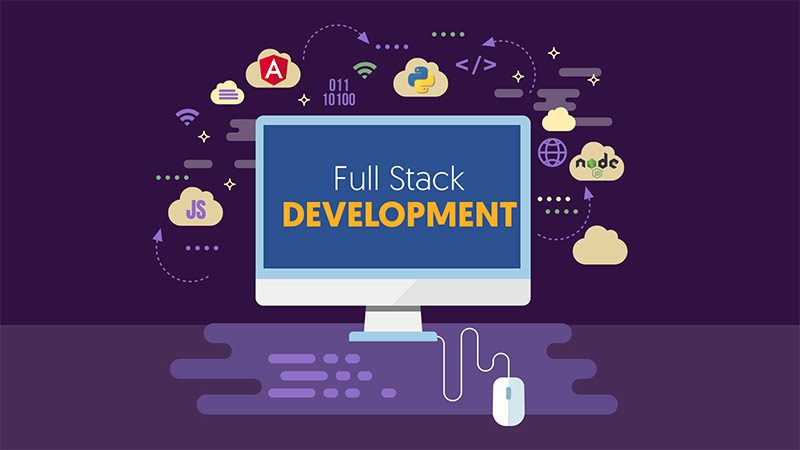
That’s where full-stack developers enter the picture. Not as a buzzword. As a necessity.
This piece isn’t cheerleading. It’s an explanation. Why the shift is happening, when it makes sense, and how teams stop rebuilding the same product twice.
Web Products Aren’t Just “Websites” Anymore (And Haven’t Been for a While)
Calling a modern web product a “website” is like calling a smartphone a telephone. Technically true. Practically misleading.
Today’s web solutions are living systems.
There’s a frontend that has to feel instant, not just look pretty.
A backend juggling logic, data, permissions, and security without dropping plates.
APIs quietly ferrying information between tools that didn’t exist five years ago.
Databases that grow without dragging performance into the mud.
Cloud infrastructure that holds steady when usage spikes at the worst possible time.
And constant updates that somehow can’t break what already works.
Every part nudges the others. Hard.
When teams are split into neat little boxes, those nudges turn into shoves. Small misunderstandings become expensive rewrites. Decisions slow down because nobody owns the whole path.
But when one developer or one tightly knit team sees the entire flow? Things click. Fewer meetings. Fewer surprises. Better decisions.
That’s the real value of full-stack development. Not versatility for its own sake. Context.
What Full Stack Developers Actually Do (Beyond the Job Description)
A full-stack developer isn’t someone who dabbles in everything and masters nothing. That’s a myth. A lazy one.
The good ones think in systems.
They know that a frontend choice can quietly double backend load.
They know that a database decision today can throttle growth a year from now.
They know when a “quick fix” will come back angry later.
When companies work with HireDeveloperIndia and hire full-stack developers in India, they’re usually not asking for superheroes. They want someone who can:
Turn business goals into real, usable features
Design user flows that don’t fight backend realities
Pick tools because they fit, not because they trend
Spot scaling pain before it shows up on a dashboard
Fix problems across layers without finger-pointing
That kind of thinking smooths friction. It also lowers risk. A lot.
The Quietly Expensive Truth About Fragmented Teams
On paper, splitting work sounds efficient. Specialists everywhere. Clean lines. Clear roles.
In practice? It often bleeds money.
Frontend builds features without seeing backend constraints.
Backend builds APIs without watching users struggle through flows.
Every change triggers meetings. Clarifications. Rewrites. Delays.
Tiny fixes drag on for weeks. Sometimes months.
We hear the same comment again and again from companies that hire remote full stack developers in India through HireDeveloperIndia:
“It finally feels like things are moving.”
That momentum doesn’t come from typing speed. It comes from ownership.
Products change. Full-stack developers expect that.
No product stands still. Ever.
Features evolve. Users surprise you. Regulations appear out of nowhere. Performance bottlenecks surface at the worst moments.
Full stack developers adapt faster because they already see the whole board.
They don’t need a long chain of explanations to make changes. They know where logic lives, where queries can be tightened, and where UI can be simplified to ease load.
For startups and growing businesses especially, rigid systems are a liability. Flexibility keeps you alive.
Why Companies Around the World Look to India (And Not Just for Cost)
Let’s clear this up.
India isn’t chosen only because it’s cheaper. That narrative is old. And incomplete.
Companies hire full stack developers in India because there’s depth here. Density. Battle-tested experience.
Many Indian developers have:
- Built for multiple industries, often at once
- Worked with users across continents and time zones
- Scaled systems under real, ugly traffic
- Adjusted fast to different expectations and cultures
- Solved problems without luxury resources
At HireDeveloperIndia, we don’t screen for buzzwords. We screen for scars. Real project ownership. Developers who’ve shipped, broken, fixed, and scaled products end-to-end.
That experience outweighs certificates every time.
When Full Stack Hiring Actually Makes Sense (And When It Doesn’t)
Full stack developers aren’t a magic fix for everything. Sometimes specialisation is still right.
But hiring them makes sense when:
- You’re building something new from zero
- Speed matters more than rigid process
- Your team is small but serious
- You want one technical owner per feature
- Long-term maintainability isn’t optional
Huge enterprises with heavy bureaucracy may still lean on specialists. Most modern web products don’t have that luxury. Flexibility wins more often than not.
About Tech Stacks (And Why Chasing Trends Is a Trap)
Modern web stacks aren’t about fashion. They’re about to fit.
Good full stack developers don’t chase shiny tools. They ask boring but important questions.
What scales?
What’s stable?
What will still make sense in two years?
That usually leads to combinations like modern frontend frameworks, dependable backend languages, clean APIs, databases chosen for actual use cases, and cloud setups that don’t crumble under pressure.
The stack itself isn’t the hero. How the pieces talk to each other is.
When teams hire through HireDeveloperIndia, they get developers who understand trade-offs. When to keep it simple. When complexity is worth the cost.
Moving Fast Without Breaking Trust
Speed is valuable. Recklessness isn’t.
Full stack developers move quickly because they remove loops, not because they skip thinking.
They cut dependencies.
They decide without endless approvals.
They fix issues where they appear.
They keep features consistent across layers.
That balance is what modern products need. Move fast. Stay solid.
Building for the Long Haul (Not Just Launch Day)
Launch day gets the applause. Everything after that is the real work.
Users grow. Data piles up. Traffic spikes. Bugs surface. Features multiply.
Full stack developers plan for that from day one.
They avoid shortcuts that turn into debt. They write cleaner code. They think about performance early. They design for growth instead of reacting in panic later.
That’s why many clients keep hiring dedicated full stack developers in India through HireDeveloperIndia year after year. Stability compounds.
Communication: The Hidden Advantage Nobody Budgets For
Miscommunication is expensive. More than people realize.
Every extra specialist adds translation overhead.
Full stack developers reduce that friction because they speak multiple languages. Product. Design. Backend. Infrastructure.
They can talk clearly with founders, designers, QA teams, and business stakeholders without losing meaning in translation.
That clarity saves time. And sanity.
Security Isn’t a Patch. It’s a design choice.
Modern web products handle money, data, and integrations. Security can’t be bolted on later.
Full stack developers know where risks hide.
Authentication flows.
Data validation.
API exposure.
Access rules.
Error handling.
Hire only backend developers, and frontend risks sneak in. Hire only frontend developers, and backend vulnerabilities slip through.
Full-stack developers close that gap.
How HireDeveloperIndia Approaches Team Building
We don’t sell resumes. Never have.
We focus on fit. In context. On long-term alignment.
We help companies:
- Hire full-stack developers matched to real product complexity
- Hire remote developers in India with sensible time overlap
- Build dedicated teams that stick with products
- Scale gradually, without chaos
Quiet work. Transparent process. Long view.
The Honest Takeaway
Modern web products demand clarity, speed, and ownership.
Full stack developers bring all three.
They cut friction. Shorten feedback loops. Build systems that grow instead of cracking under stress.
If you care about building something that lasts, not just something that launches, the people you hire matter more than the tools you pick.
Get the people right. Everything else follows.
FAQs
Why hire a full stack developer instead of separate frontend and backend roles?
Because one person seeing the whole system reduces delays, miscommunication, and architectural mess. Decisions land faster and cleaner.
Is hiring full stack developers in India really cost-effective?
Cost helps, but experience is the bigger gain. You reduce rework, delays, and long-term maintenance headaches.
Can remote full stack developers handle long-term projects?
Yes, when vetted properly. Developers who own features end to end often show stronger commitment over time.
Which projects benefit most from full stack development?
Startups, SaaS platforms, internal tools, and evolving products where speed and flexibility matter more than rigid process.
How do I tell if a full stack developer is genuinely experienced?
Ask about real decisions they’ve made. Trade-offs. Failures. Scaling moments. Depth shows quickly.
Can HireDeveloperIndia support team growth later?
absolutely. Many teams start small and scale gradually with additional frontend, backend, or UI specialists as needed.